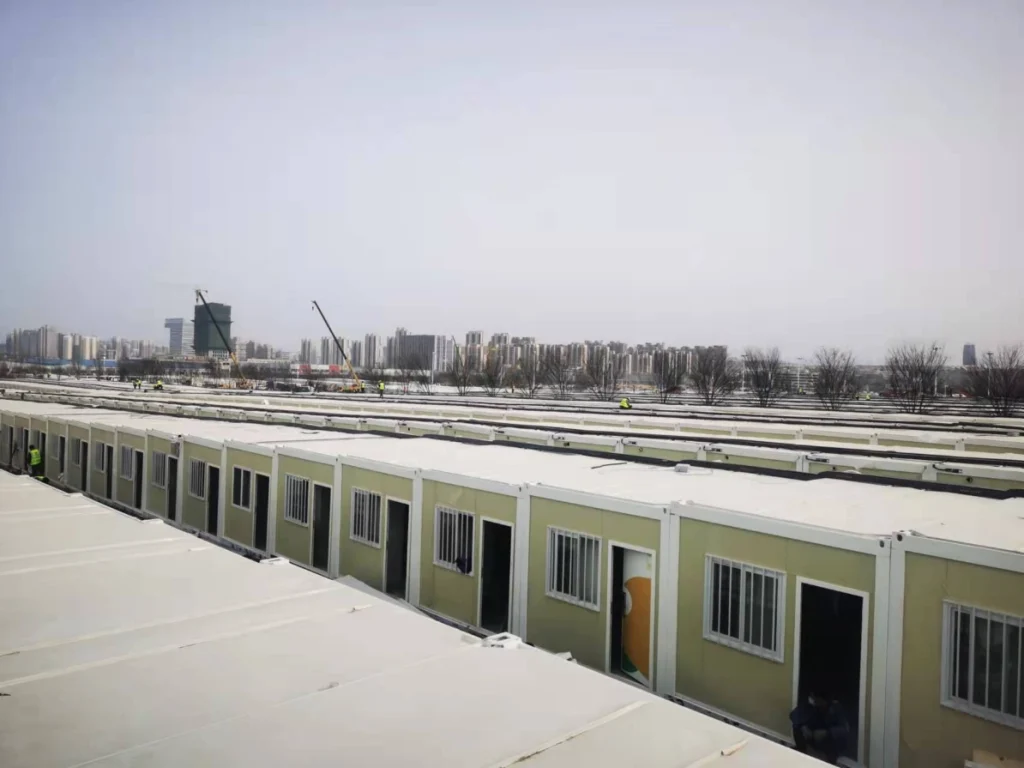
The UK construction, infrastructure, and energy sectors are under increasing pressure to deliver projects on tight schedules while managing rising costs and workforce shortages. Increasing costs for materials, shortages of workers, lengthy approval processes, and tougher safety rules have made standard home-building efforts tougher to finish promptly and within budget. At the same time, large-scale projects require fast-deployed construction camps and workforce accommodation that can support hundreds of workers on-site.
Steel-framed container houses have become a practical solution for construction camps, site offices, and worker accommodation across the UK. They blend factory-based assembly with sturdy steel builds, providing quick results, dependability, and lasting benefits. For contractors, EPC companies, and project owners in the UK, this method is no longer just a trial. Instead, it serves as a genuine response to current housing and building issues.
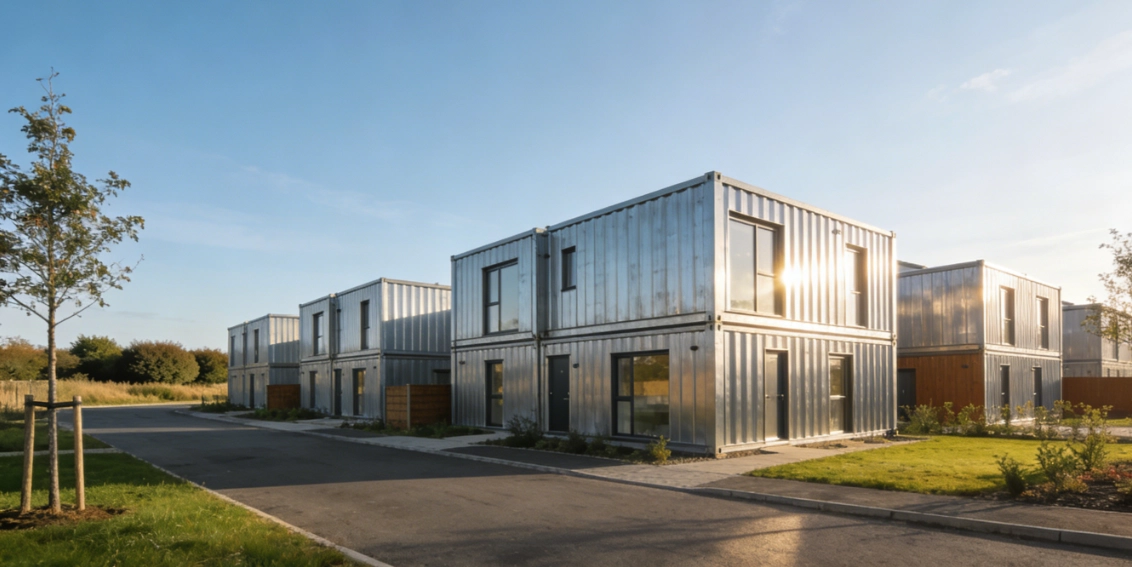
What Are The Advantages Of Steel-Framed Houses Over Traditional Construction?
Prior to examining container houses in detail, it is useful to grasp why steel-framed building is picking up pace throughout the UK. When set against brick-and-block methods, steel frames deliver a fresh mix of robustness, quickness, and reliability.
Standard building methods still hold value in certain cases, but they falter when tasks demand rapid progress or expansion. Steel-framed approaches, however, are crafted to meet today’s demands for structures and strict deadlines.
Structural Strength And Durability
Steel frames provide excellent weight-bearing ability along with steady performance. Unlike wood, steel avoids twisting, contracting, or splitting as humidity shifts. This structural stability is critical for multi-unit construction camps, stacked container buildings, and high-density workforce accommodation.
In container house setups, steel frames pair effectively with bolstered container forms. As a result, they form a firm outer layer that endures shipping, hoisting, and multiple setups without damage. For long-term construction projects and semi-permanent camp installations, this toughness leads to fewer problems with the framework and reduced upkeep over years.
Faster Construction And Lower Labor Costs
A major benefit of steel-framed houses lies in their pace. Key parts are made in workshops, shipped to the location, and put together with little fieldwork required. Thus, weather interruptions lessen, and timelines become simpler to manage.
Workforce expenses also decrease since fewer experts stay on-site for extended times. For UK contractors managing labor shortages, strict project timelines, and remote job sites, this strategy cuts dangers and keeps ventures viable.
Better Sustainability And Environmental Performance
Steel can be recycled completely, and workshop creation results in reduced waste of supplies versus classic methods. Accurate shaping and uniform pieces ensure fewer errors and less fixing later.
Moreover, steel-framed container houses for construction camps can be equipped with high-performance insulation systems to meet project-specific energy and comfort requirements, power-saving panes, and green power options. Consequently, they aid the UK’s drive for reduced-emission structures and enhanced efficiency scores.
How Do Container Houses Fit Into The Steel-Framed Future?
Container houses extend the perks of steel framing even more. Rather than constructing all on location, full sections are built in managed settings and then joined as required. This way suits the UK’s call for swift, expandable, and rule-following building practices well.
Definition And Key Characteristics Of Container House
A container house for construction camps is based on a reinforced steel structure, modified to serve as worker dormitories, site offices, canteens, and sanitary units. Surfaces, bases, and tops get insulating layers, slots open for entries and views, and inner utilities fit in prior to transport.
Such modules allow piling, linking, and growing. The steel skeleton within and surrounding the container grants both solidity and adaptability, fitting them for lasting setups beyond short-term roles.
Comparison Between Container And On-Site Construction
Field-based building depends much on conditions like weather, nearby staff access, and syncing among various specialists. A holdup in one phase often impacts the whole effort.
Container houses move most tasks to the plant instead. Wiring setups, water lines, surface treatments, and insulating get done before arrival. After that, setup focuses on placing, joining, and last reviews. This shift can shorten construction camp deployment timelines by weeks or even months, helping projects start operations faster.
Integration Of Steel Frames In Container House Systems
Current container houses go beyond reused cargo units. They employ custom steel frames tailored for home weights and UK guidelines. Outer frames boost piling strength, whereas inner steel braces permit spacious plans and bigger openings.
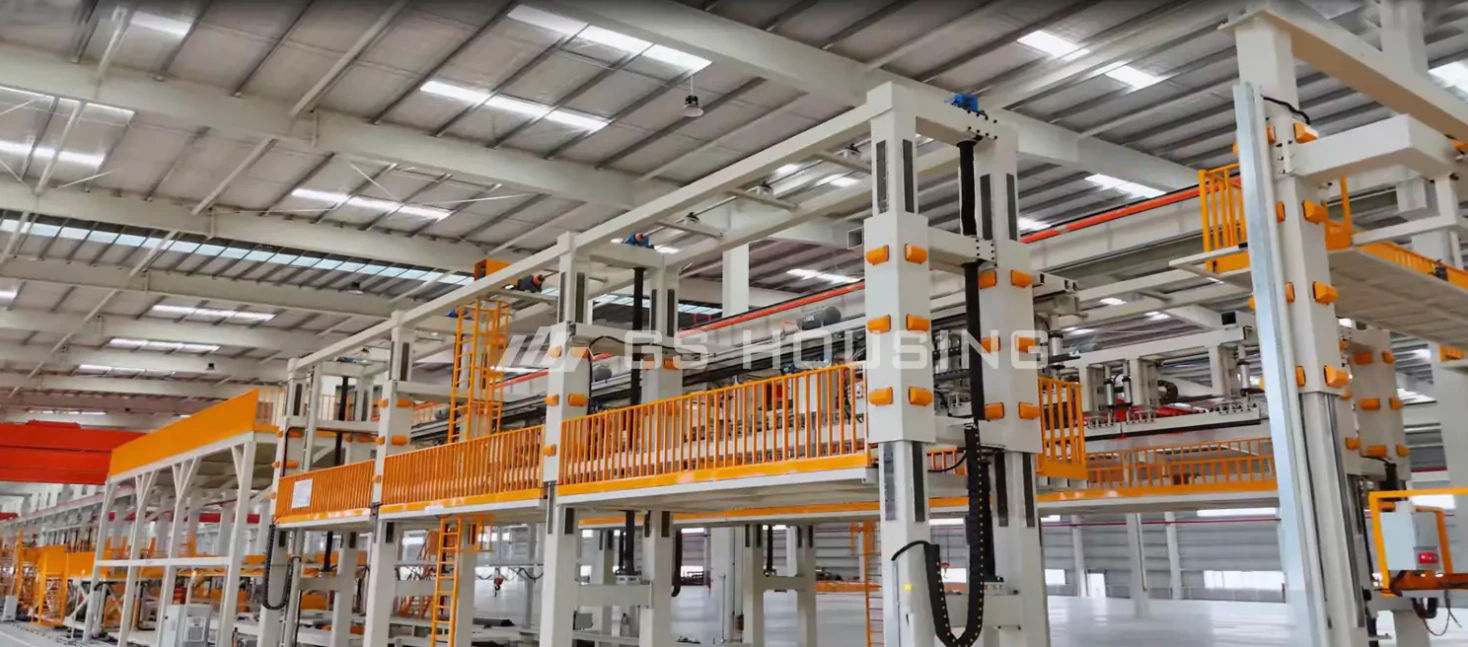
GS Housing crafts its container house systems using strengthened steel frames that back enduring home applications, taller structures, and multiple moves if called for.
Why Are Steel Frames Ideal For The UK Climate And Building Regulations?
The UK climate presents specific challenges for construction camp buildings, especially in remote or exposed project locations. Elevated dampness, regular downpours, fierce gusts, and varying warmth can soon reveal flaws in subpar builds. Steel-framed container houses handle these well while adhering to firm local rules.
Resistance To Moisture, Wind And Temperature Fluctuations
Steel repels water uptake, which cuts chances of decay, fungus growth, and framework breakdown. Paired with suitable insulating and moisture blocks, these steel-framed container houses function reliably in wet and seaside spots.
Their firm build also gives solid gust protection, key in open regions. Warmth handling relies on insulating methods, and today’s container houses aim to fulfill UK norms for ease and power savings.
Compliance With UK Building Codes And Fire Standards
UK rules outline precise needs for blaze resistance, framework safety, and power use. Steel frames inherently offer robust blaze handling when matched with rated wall setups and shielding layers.
GS Housing creates container house options with rule adherence at the forefront, aiding British constructors through plans that match UK and EU benchmarks. This lowers approval hurdles and eases talks with area officials.
Long-Term Cost Efficiency for Construction Camp Projects
Though upfront prices stay reasonable, the true worth of steel-framed container houses emerges gradually. Decreased repairs, firm builds, and steady operation safeguard property worth. For owners and developers, this brings fewer unexpected issues post-transfer and stronger future gains.
What Are The Specific GS Housing Products That Lead The Market?
Not every container house matches the same level. GS Housing stresses steel-framed systems made for practical scenarios, ranging from home expansions to combined projects. Their lineup draws from broad know-how in diverse weathers and sizes.
Steel Container House Series For Residential Projects
GS Housing supplies steel-framed container house systems designed specifically for construction camps, workforce accommodation, and project site facilities. These support lone and stacked floor plans, with uniform framework quality in each part. Arrangements adapt to UK home norms, covering apt space measures, warmth barriers, and utility ties.
Customized Steel-Framed Container Solutions
Each construction project has unique requirements in terms of layout, capacity, and deployment schedule. GS Housing delivers tailored steel-framed container solutions, tweaking sizes, inner setups, outer looks, and framework boosts accordingly. Such adaptability lets British constructors fulfill area plans while gaining from routine output.
Energy-Efficient And Sustainable Product Options
Power thrift is essential in the UK scene now. GS Housing container houses equip with top-tier insulating, paired or tripled panes, and thrift-building tools. These traits aid reaching superior power marks and aid lasting run-cost management.
How Does Choosing A GS Housing Container House Benefit British Builders?
For specialists and planners, picking the proper ally counts as much as selecting the right build style. GS Housing sets as a fix provider, beyond mere goods seller.
Turnkey Solutions With Reduced Build Time
GS Housing provides turnkey construction camp solutions, covering layout planning, manufacturing, logistics, and on-site installation support, spanning planning, making, and shipping. This lessens syncing tasks for constructors and trims total schedules. Quicker finishes yield sooner use and faster yields, vital in the current keen home field.
Quality Control And Precision Manufacturing
Plant output lets GS Housing uphold even quality in each piece. Supplies, joins, and coatings get reviewed pre-shipment, cutting field fixes. In UK works where flaws spark pricey waits, this oversight shifts outcomes notably.
Scalability For Housing Developments And Projects
Steel-framed container houses scale simply. Extra pieces join easily later, and designs expand with needs. Thus, GS Housing setups fit staged home builds, temp-to-fixed shifts, and varied uses.
Ready To Build The Future With Steel-Framed Container Houses?
The UK building field is evolving. Steel-framed container houses present a workable route for constructors seeking pace, solidity, and rule fit without dropping standards.
Backed by seasoned makers like GS Housing, these setups move past specialty roles. They emerge as a trusty choice for today’s British home and build tasks.
FAQ
Q1: Are steel-framed container houses suitable for construction camps in the UK?
A: Yes. When planned and insulated right, steel-framed container houses fulfill needs for lasting home use and extended stays.
Q2: How quickly can a construction camp using container houses be deployed?
A: Setup typically spans days, not months. Much gets done in the plant, with field time on joining and links.
Q3: Can container houses be customized to match local planning rules?
A: Yes. Layouts, external finishes, and building heights can be customized to align with local UK planning and design requirements.