
Natural disasters strike with rising frequency, and in those moments, quick action counts the most. Events such as earthquakes, floods, hurricanes, and conflicts can displace thousands of individuals, leaving them without secure places to stay in a single night. Standard emergency housing approaches frequently find it hard to match this pressing need. Over the last few years, modular housing has emerged as a reliable substitute for disaster recovery and emergency response, providing swifter setup, greater toughness, and steadier expenses.
From a manufacturer’s perspective, GS Housing works directly with governments, NGOs, and contractors to deliver scalable modular housing systems under urgent timelines, particularly factory-made setups from proven producers like GS Housing, enjoys growing confidence from governments, NGOs, and global builders. Provide Modular Housing Solutions for global project.
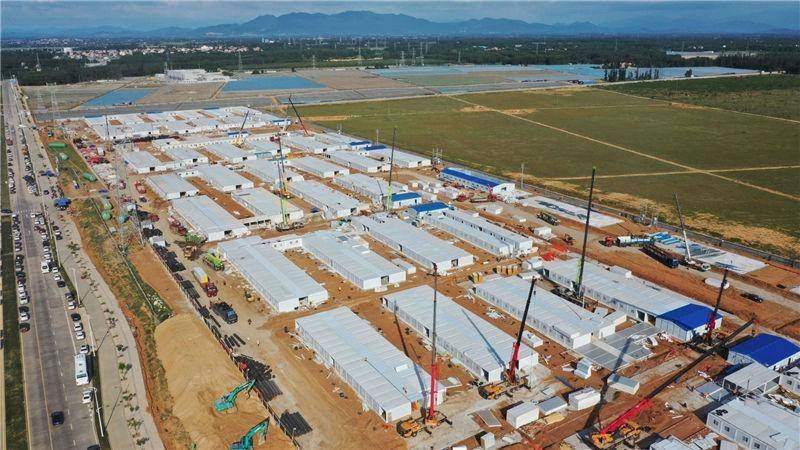
What Challenges Do Traditional Disaster Relief Shelters Face?
Emergency shelter options typically roll out amid high stress, short deadlines, and unclear ground situations. Although tents and quick on-location builds remain widespread, they carry various building and transport problems that curb their success in current disaster recovery efforts.
Slow On-Site Construction and Delayed Deployment
In affected areas after a disaster, time always works against everyone involved. Conventional shelters generally rely on building right there with materials and workers gathered from nearby spots. This method can get held back by broken roads and bridges, shortage of trained hands, and shifting weather patterns.
Even basic short-term structures might need weeks to turn habitable. While people wait in that interval, uprooted households often face risky setups, packed spaces, or harsh weather swings. Such holdups do more than hinder ease; they can truly harm health and security in direct ways.
High Labor Costs, Material Waste, and Budget Uncertainty
Building on the spot usually calls for several outside helpers, fluctuating supply prices, and unreliable worker access. These elements complicate keeping expenses in line, particularly in aftermath settings where delivery lines break down.
Waste of supplies marks yet another frequent drawback. Hasty building work often results in extra items that go unused, which boosts both spending and harm to the surroundings. For big relief operations, this unpredictability in costs raises major worries for funders and those leading the projects. For large-scale disaster recovery programs, this cost uncertainty creates significant pressure for both funding agencies and project coordinators.
Insufficient Structural Durability in Extreme Weather and Post-Disaster Conditions
A good number of standard shelters aim for brief service periods. Light tents or patched-together frames commonly cannot hold up against pouring rain, fierce gusts, lingering shakes, or rising waters.
In places prone to disasters, these shelters need to stay sound well beyond the first crisis stage. Fragile builds can soon become burdens, calling for ongoing fixes or total swaps, which strain limited supplies even further.
How Modular Houses Improve Rapid Response
As plans for handling disasters advance, modular housing has shown itself to go beyond mere speed. It brings in a managed, factory-like creation method that functions well even when field conditions prove unreliable.
Factory Pre-Fabrication and Rapid On-Site Assembly
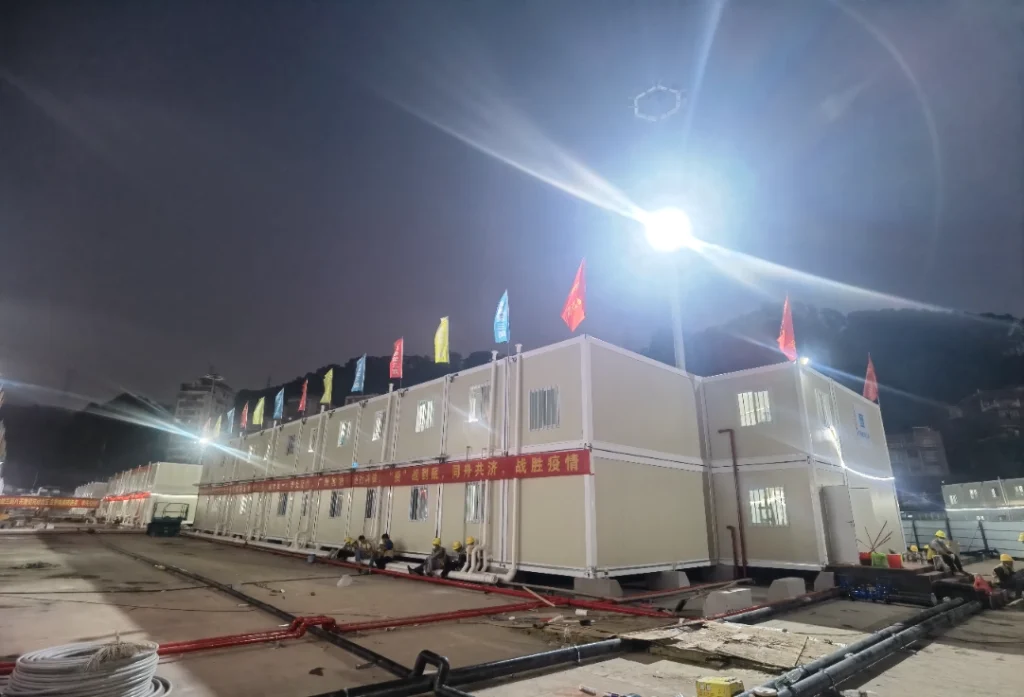
Modular houses take shape in manufacturing plants as teams ready the ground at the same time. When the pieces arrive, workers can link them up and make them ready in days instead of weeks. Factory production allows critical building work to continue even when disaster sites remain inaccessible or unsafe.
This side-by-side process cuts setup times sharply. During urgent situations, getting fully sealed, weather-proof homes in place quickly changes things substantially for those forced from their homes.
Standardized Modular Systems Produced Under Factory Quality Control
Differing from field-based work, factory output sticks to set procedures and firm checks on quality. Every section comes together in steady surroundings, which cuts down on mistakes by people and uneven supplies.
For efforts in disaster recovery, this evenness ensures that all pieces hit the mark on safety and function levels. GS Housing uses heavy-duty steel structural systems with standardized wall, roof, and floor modules designed for long-term use in harsh environments.
Minimizing Labor and Logistics Complexity
Modular housing calls for smaller crews on location and simpler tools. This proves quite helpful in far-off or harmed zones where worker pools run low. In many projects, modular housing can be installed by small teams using basic tools, without the need for heavy machinery.
Handling shipments grows easier too. These pieces fit container transport designs, which simplifies moving and managing them even with partly wrecked setups. With fewer steps needed in the field, holdups drop and risks to safety lessen.
Why Modular Housing Is More Cost-Effective for Disaster Recovery Projects
Keeping costs in check holds key importance in emergency response work, where funds stay set and clear spending draws attention. Modular housing brings money-saving benefits not just early on but through the whole project span.
Lower Construction and Transportation Expenses
Making items in a factory lets buyers grab supplies in large amounts and apply them with better care. This trims leftovers and holds per-piece costs firm. Shipping gets fine-tuned as well, since modular parts match common haulage ways.
Compared with continuous on-site construction, this approach offers clearer budgeting and more predictable project costs.
Reduced Long-Term Maintenance Costs
Modular houses get crafted with lasting use as the goal. Metal frames, heat-blocking panels, and rust-proof coatings aid in stretching out their working years, even amid rough weather.
This sturdiness leads to smaller upkeep bills as time goes on. Rather than fixing things all the time, those running projects can direct efforts toward aid services and rebuilding steps.
Reusability and Redeployment Potential
Among the top perks of modular housing sits its reuse option. When a short-term camp wraps up, the pieces can come apart, move to new sites, and go back into service.
This turns modular housing into an enduring tool instead of a quick spend. GS Housing shapes its modular setups just for several put-together rounds. This makes modular housing a long-term asset rather than a one-time emergency expense.
How Modular Houses Enhance Safety and Comfort for Survivors
Emergency housing ought to offer over simple cover from above. It must deliver protection, personal space, and a touch of everyday routine. Modular housing handles these well, even in tough setups.
Engineered for Structural Stability
Modular houses stand as planned builds, not quick fixes. Metal frames and proven link methods let them endure high winds, earth shifts, and weighty pressures. These structures are engineered to meet defined load and stability requirements rather than temporary shelter standards.
This degree of firmness matters greatly in areas hit by quakes or storms, where follow-up jolts or extra weather hits occur often.
Climate-Adaptive Designs for Diverse Environments
Disaster recovery work happens in widely varied weather, from wet lowland flood spots to chilly highland areas. Modular housing adjusts with heat barriers, air flow, and cover systems matched to local ways.
GS Housing supplies weather-fitting answers that back both warm and cool settings, aiding steady inside ease while maintaining reasonable energy efficiency for long-term occupancy.
Configurable Interior Layouts for Family Units and Community Use
Modular housing avoids one-style-fits-all plans. Pieces can shift into family home areas, health posts, school rooms, or control points.
This bendability lets aid groups form full short-term groups instead of lone spots, bolstering body healing and group steadiness.
Why GS Housing Is a Trusted Modular Housing Manufacturer for Disaster Recovery Projects
Choosing the right modular housing manufacturer is critical to the success of disaster recovery projects. GS Housing has earned a firm name in the modular build field by stressing trustworthiness, growth potential, and hands-on project know-how.
With joined design, making, and send-out skills,GS Housing hands over full modular housing fixes aimed at urgent and disaster fix needs. Its goods rest on steel setup systems, made under plant-managed states, and shaped for quick joining and reuse over time.
GS Housing has delivered modular builds for worldwide efforts over many lands, aiding crisis stays, worker homes, and public aid spots. This broad project background lets the firm grasp real hurdles in disaster lands and reply with fixes that hold up in practice. Contact GS Housing to discuss your disaster recovery housing requirements, including unit specifications, deployment timelines, and project-scale supply.
FAQ
Q1: How long does it take to deploy modular housing after a disaster?
A: In many cases, modular housing units can be installed within days after delivery. Factory production and site preparation can happen at the same time, greatly reducing deployment timelines compared to traditional construction.
Q2: Are modular houses suitable for long-term disaster recovery use?
A: Yes. Modular houses are designed for both temporary and semi-permanent use. With proper maintenance, they can serve communities for years and later be redeployed to new locations.
Q3: What makes GS Housing suitable for emergency and disaster projects?
A: GS Housing combines factory-controlled manufacturing, standardized modular systems, and international project experience. Its modular buildings are designed for rapid assembly, durability, and repeated use, which are critical factors in disaster recovery scenarios.
Share This Story, Choose Your Platform!
 Modular Camp Buildings for Defence: Flat Pack Container House Solutions by GS Housing


