Large infrastructure and energy projects, such as pipeline construction, mining camps, and oil and gas developments, are often located in remote areas where traditional construction methods are slow and expensive. These projects require rapid deployment of worker accommodation and functional facilities within a short timeframe. In these scenarios, GS Housing—a global leader with over 20 years of expertise and massive production capacity—provides the ideal solution through high-quality modular container buildings.
Modular container buildings, particularly flat pack systems, allow for the creation of complete camps in weeks rather than months. By using factory-prefabricated elements, these systems enable faster construction timelines and better cost control for large-scale projects.
Key Advantages of Modular Container Buildings for Large Camp Projects
Prior to diving into building techniques and arrangements, before exploring the technical aspects, it is important to understand why modular container buildings are widely used for large-scale camp projects.
Standard building approaches typically demand extended periods of work on location, intricate supply chains, and sizable work crews. Modular building alters that routine, since most components are manufactured in factories and then transported to the project site for assembly. As a result, this method cuts down timelines and ensures steadier quality levels.
Rapid Construction with Flat Pack Container House Systems
A primary gain from modular container buildings lies in their pace. Flat pack container houses come from factories as uniform pieces like roof frames, floor frames, corner columns, and wall panels, and these components are transported to the site for rapid assembly.
Since the core framework, thermal barriers, electrical lines, and inside surfaces get mostly ready ahead of time, the installation process becomes significantly simpler. Often, a single unit can typically be installed within a few hours, and when a big worker camp calls for hundreds of such units, this speed proves highly useful.
In vast energy ventures such as pipeline building or LNG plants, where thousands of staff might show up quickly, modular container housing permits camps to rise fast and grow gradually as the work advances.
Flexible Layout Expansion for Multi-Functional Camps
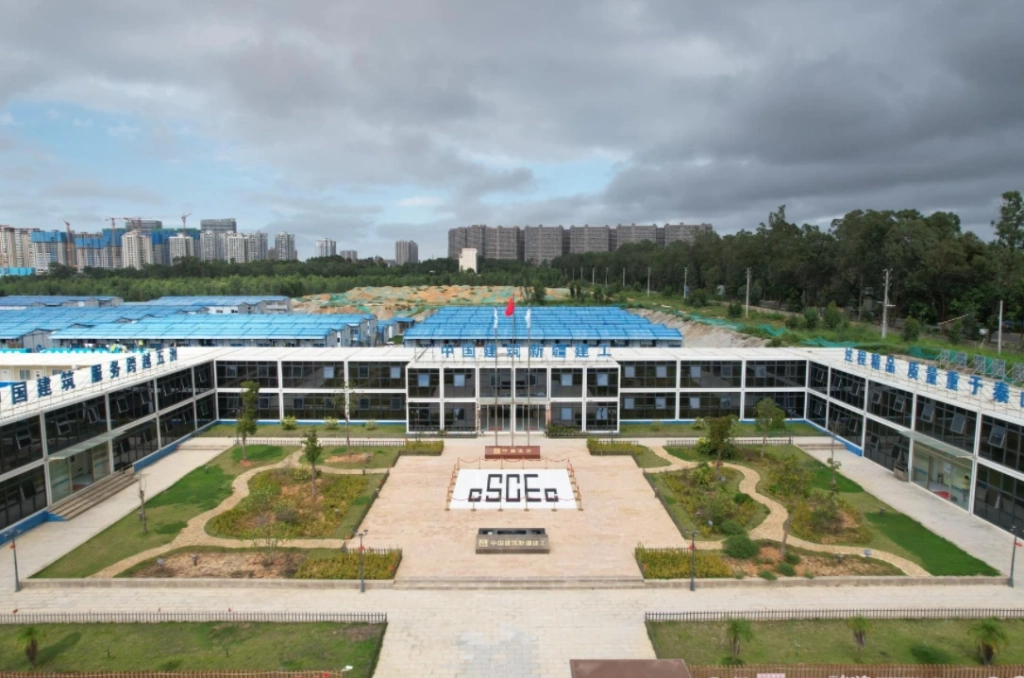
Large construction camps require more than just accommodation units. Staff require eating areas, workspaces, health centers, washing facilities, leisure spots, and at times training spaces or guard posts, so modular container buildings allow these functions to be integrated within a unified modular system.
Every container module serves as a basic unit. When units join side by side or pile up in layers, planners and specialists can shape varied purpose zones without altering the core building style, which leads to an adaptable camp design that fits the work’s real demands.
Lower Transportation and Construction Costs
Developers pick flat pack container houses for another reason, which is the strong efficiency in moving them. Rather than shipping whole assembled containers, flat pack modules arrive as tight-packed building parts, so more units fit into one truck or shipping container, and this cuts shipping expenses a great deal.
In global ventures or far-off spots with tricky logistics, this transportation advantage can significantly reduce overall project costs.
How Do Modular Container Buildings Improve Construction Efficiency?
Beyond the advantage of speed, modular building boosts productivity in various manners, because the full process from making to setting up aims to cut down scraps, ease tasks, and hold projects to their planned times.
In major infrastructure works, project delays can result in significant financial losses, but when lodging setups finish sooner, teams can bring in staff more rapidly and begin main building tasks earlier.
Factory Prefabrication and Standardized Modular Production
Many modular container buildings arise from automated assembly lines in factories, where steel structural components are fabricated and welded under controlled factory conditions, and put together under steady factory settings. Moreover, wall panels, thermal layers, and inside surfaces install prior to shipping.
Such a factory-driven system aids in keeping uniform quality and lowers chances of delays from bad weather. When set against usual on-site building, this making process can raise output efficiency by two or three times, and it also significantly reduces material waste.
Firms such as GS Housing, which run multiple modular making sites and broad production lines, benefit from this industrial method to produce thousands of lodging units each year.
Fast On-Site Assembly Within a Few Hours per Unit
After modules reach the project spot, the installation process is straightforward, since the pre-made frames and panels link via standard bolts and fittings. Usually, a small installation team with a crane is sufficient to finish the framework.
Furthermore, because inside setups like wiring, pipes, and thermal barriers prepare in the factory already, extra inside tasks see little need, so workers can occupy the buildings right after setup ends.
In distant project areas where expert workers might prove scarce, this easy building style holds special worth.
Reduced Labor Demand and Simplified Site Operations
Modular building offers yet another plus in lowering on-site worker needs, unlike traditional ways that often call for numerous skill groups toiling at once, which makes project management more complex.
With modular container buildings, plenty of that labor completes in the factory beforehand, so the setup team chiefly handles joining parts and linking services. Consequently, this cuts staff needs and enhances safety amid crowded building areas.
Flexible Camp Layout Design with Modular Container Buildings
As works grow, camp designs frequently require shifts, but modular container buildings simplify this since the installation process becomes significantly simpler.
For engineering firms and site leads, adaptability counts as much as quickness, because camps must adjust to rising staff numbers, fresh work zones, and evolving project stages.
Horizontal and Vertical Modular Combinations
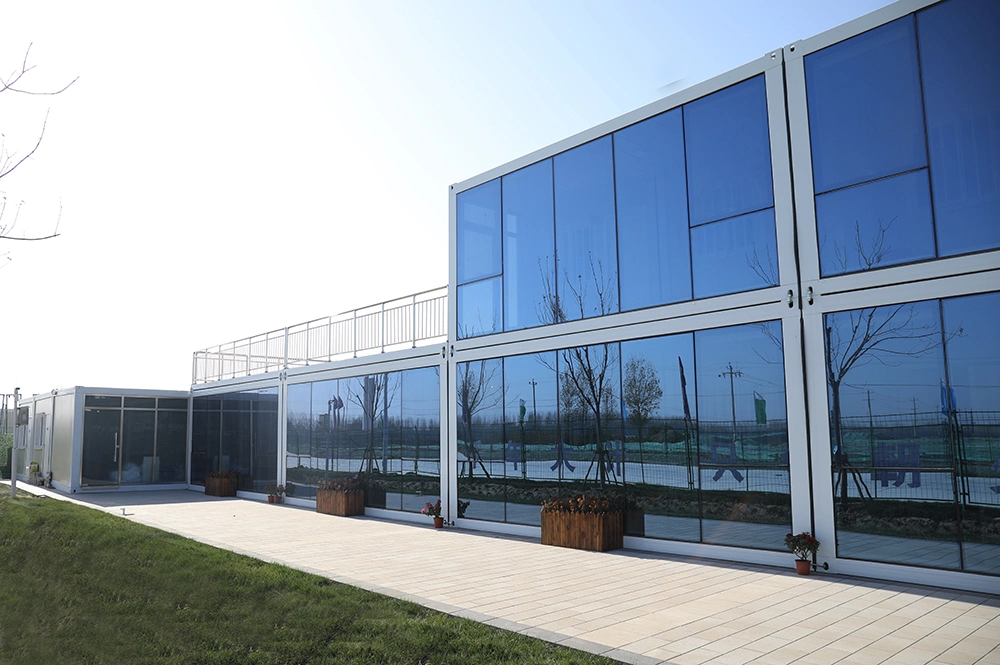
A key trait of modular container building is its skill to link units in diverse fashions, as modules can line up next to each other to form bigger areas or join to build extended hall structures, and they can stack in heights to make multi-level setups.
Thus, this style lets creators build sleeping blocks, work structures, or aid buildings from the same unit dimensions, yet still reach broad design varieties.
Customizable Layouts for Offices and Worker Accommodation
Staff lodging typically needs routine rooms, but work zones often seek wider open areas, and modular container systems permit inside designs to tweak via wall panel setups and unit links.
For instance, multiple units can merge to shape conference spaces, oversight hubs, or admin offices, and extra setups like health clinics, cooking areas, and meal halls can blend into the overall camp network.
Expandable Designs for Multi-Story Camp Buildings
Vast camps at times demand several levels to preserve ground area, and modular container buildings can generally pile up to a few stories while holding firm structure strength.
This height growth feature eases the task of raising big lodging towers or work structures without greatly widening the camp’s ground use.
Why Are Modular Container Buildings Cost-Effective for Large Camps?
Budget savings drive the rising use of modular camp building, especially since housing thousands of staff via old methods would require significant investment in large industrial works.
Modular setups trim both upfront building expenses and ongoing running costs.
Lower Transportation Costs Through Flat-Pack Delivery
Flat pack container houses shape up to boost moving productivity, with building parts packed neatly so numerous units travel in one load.
For projects abroad or in far sites, this trims moving outlays sharply, and the cheaper shipping grows vital when the need hits hundreds or thousands of lodging units.
Reduced Construction Waste and Energy Consumption
Modular buildings arise in factories with routine materials, so building scraps drop far below old approaches, and reports indicate that pre-made systems can slash building waste by about 70 percent while cutting energy use in building by roughly 50 percent.
For builders facing green rules or eco targets, this scrap drop also aids in fulfilling standards.
Reusable Modular Units for Long-Term Cost Savings
Modular container buildings bring another edge in their ability to reuse, as after a work wraps, units can be dismantled, relocated, and reassembled at fresh spots.
Hence, this suits fields where sites shift often, like pipeline works or mining probes, and instead of fresh builds each round, firms can redeploy current modular units.
What Types of Camp Projects Use GS Housing Flat Pack Container Houses?
Modular container buildings serve many fields, from energy setups to aid efforts in crises, and these systems deliver prompt and dependable cover options.
GS Housing has supplied modular buildings for works in energy, mining, defense, and urgent lodging areas across various places.
Worker Accommodation and Construction Site Camps
Major infrastructure projects commonly need short-term staff lodging close to the build site, and modular container buildings let teams set up full camp networks swiftly, including sleeping areas, meal spots, workspaces, and fun zones.
In pipeline engineering works, for example, camps may need to be relocated along the project route as progress moves, and modular pre-made buildings ease the shift of facilities to keep runs steady.
Mining Camps, Oilfield Camps, and Remote Engineering Camps
Mining runs and oilfield builds often happen in cut-off zones without fixed setups, so modular container lodging offers a solid fix for crafting whole living setups for staff.
Such camps might hold lodging sections, care units, cooking spots, storage buildings, and upkeep structures, and modular systems permit quick builds of these while hitting safety marks.
Military Camps and Disaster Relief Housing
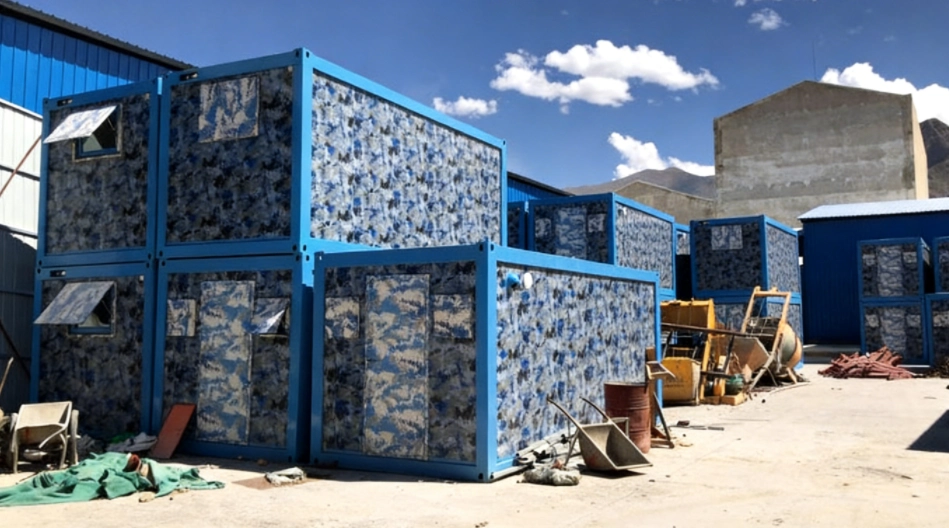
Modular container buildings find broad use in army bases and crisis response tasks too, since their easy movement and quick setup suit short-term camps, aid hospitals, and lead centers well.
During crisis aid cases, modular lodging can roll out fast to give cover for hit groups or back urgent workers.
Why Choose GS Housing for Modular Camp Construction?
In outlining a big modular camp work, know-how and making power count heavily, and GS Housing has joined modular building for over twenty years while running several making bases with strong production reach.
GS Housing provides end-to-end solutions, including camp design, manufacturing, transportation, and on-site installation support.
GS Housing modular buildings serve fields like oil and gas, mining, infrastructure engineering, education, and urgent lodging widely, and the firm has handled projects in numerous nations with skill in tough settings from far mining spots to sea energy rigs.
If you are planning a large-scale camp project, GS Housing can provide customized modular camp solutions tailored to your project requirements. Contact our team to get a detailed proposal and quotation.
FAQ
Q1: How long does it take to build a modular container camp?
A: Build time varies by project scale, but modular container buildings typically set up far quicker than standard structures, as single units often join in just hours, which means large camps with hundreds of units can wrap in weeks.
Q2: Can modular container buildings be reused after a project ends?
A: Yes, and a key plus of modular building is that units can take apart and shift spots, so many firms redeploy the same modules for varied works, which aids in trimming costs over time.
Q3: Are modular container houses suitable for extreme environments?
A: Yes, since modular container buildings use lined wall panels and sturdy steel frames, they adapt well to diverse weather and work conditions, including far mining areas, dry oil zones, and chilly regions.
Share This Story, Choose Your Platform!
 Modular Buildings for Emergency Military Camps Rapid Deployment Solutions