
Healthcare providers, emergency response teams, and medical infrastructure contractors are under increasing pressure to expand facilities quickly without disrupting ongoing operations. Rising populations, older communities, urgent response demands, and scarce city spaces all call for fresh medical sites. Yet these must come without drawn-out building periods or runaway expenses. In this context, modular metal buildings and flat pack container houses have become practical solutions for temporary medical facilities, emergency clinics, and expandable healthcare infrastructure.
In contrast to standard building methods, modular metal buildings get made away from the site in steady conditions, and then put together right there in a far briefer period. When paired with flat pack container house setups, healthcare growth turns more reliable, adjustable, and simpler to handle. GS Housing specializes in modular steel structures and flat pack container house systems designed for fast-deployed healthcare facilities and medical support buildings.
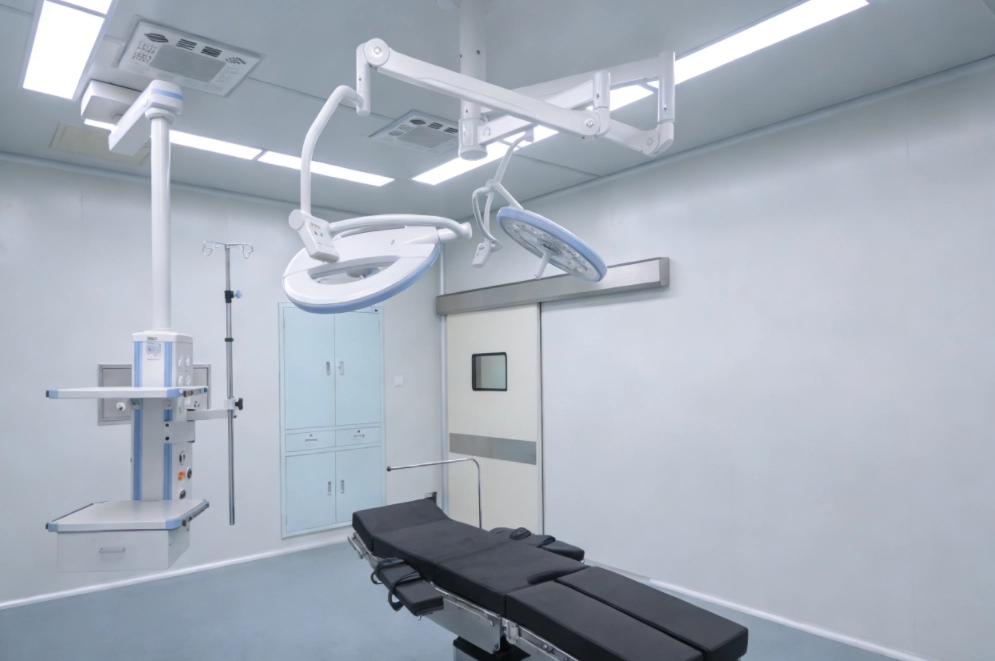
What Advantages Do Modular Metal Buildings Offer For Healthcare Expansion?
Before exploring technical rules and designs, it pays to grasp why care providers are shifting from usual building ways. Modular metal buildings tackle several ongoing issues linked to pace, funds, and ahead planning.
Up to 30% Lower Project Costs with Predictable Manufacturing and Fixed Pricing
One of the biggest challenges in healthcare construction projects is cost uncertainty caused by on-site delays and material fluctuations. Standard projects frequently deal with shifts in material prices, worker shortages, and field holdups that drive costs well past first guesses. Modular metal buildings cut this danger by relying on plant-based making and set-price deals.
GS Housing builds modular parts in uniform assembly lines, which lets them keep a firm grip on supplies, workers, and schedules. As a result, this way can trim total startup costs by as much as 30% over common building techniques. Even better, hospitals get expense transparency right at the start of planning, so securing funds and handling long-range budgets becomes much smoother.
Faster Delivery And Installation Compared With Traditional Builds
Timing matters greatly in healthcare. Be it adding to a ward, including exam rooms, or meeting sudden needs, holdups can harm patient treatment directly. Modular metal buildings aim to shorten shipping periods a great deal.
As crews prepare the ground, modules take shape at the same time in the plant. After arrival, flat pack container house parts can go together fast using basic tools. Many modular healthcare structures can be installed within weeks, allowing medical facilities to begin operations far earlier than with traditional construction, so sites start working much earlier than with regular builds.
Scalable And Flexible Layouts For Future Healthcare Needs
Medical demands evolve as years pass. Units expand, patient numbers vary, and fresh offerings appear. Modular building fits this pattern via adjustable planning.
GS Housing’s modular setups let extra parts join, leave, or shift without big interruptions. Thus, designs can adapt as care services grow, turning modular metal buildings into a lasting outlay rather than a short-term patch.
How Do Modular Metal Buildings Ensure Safety And Compliance In Healthcare Settings?
Quick pace and expense cuts hold little value without solid safety and rule-following. Medical structures need to match tough guidelines on build strength, blaze guard, cleanliness, and patient guard. Modular metal buildings shape up with these needs from the outset.
Durable Steel Structure With High Seismic And Wind Resistance
Structural safety is critical in modular healthcare projects, especially for emergency clinics and temporary medical buildings. Modular metal buildings employ tough steel frames built to handle quake forces and fierce gusts. Hence, they work well in areas with rough climates or firm build rules.
GS Housing crafts its steel builds to endure ongoing use, moves, or growth all while holding firm strength. Such toughness proves vital for enduring hospital add-ons and crisis response sites.
Meets Healthcare Regulatory Standards And Building Codes
Sticking to care rules forms part of the shaping stage. Modular components are manufactured according to international building standards and can be adapted to meet regional healthcare compliance requirements and can adjust to fit local care codes across spots.
This covers needs for weight-holding power, power setups, water lines, air flow, and reachability. Since making occurs in a steady plant space, quality reviews prove simpler to oversee, and thus risks of rule problems drop during checks.
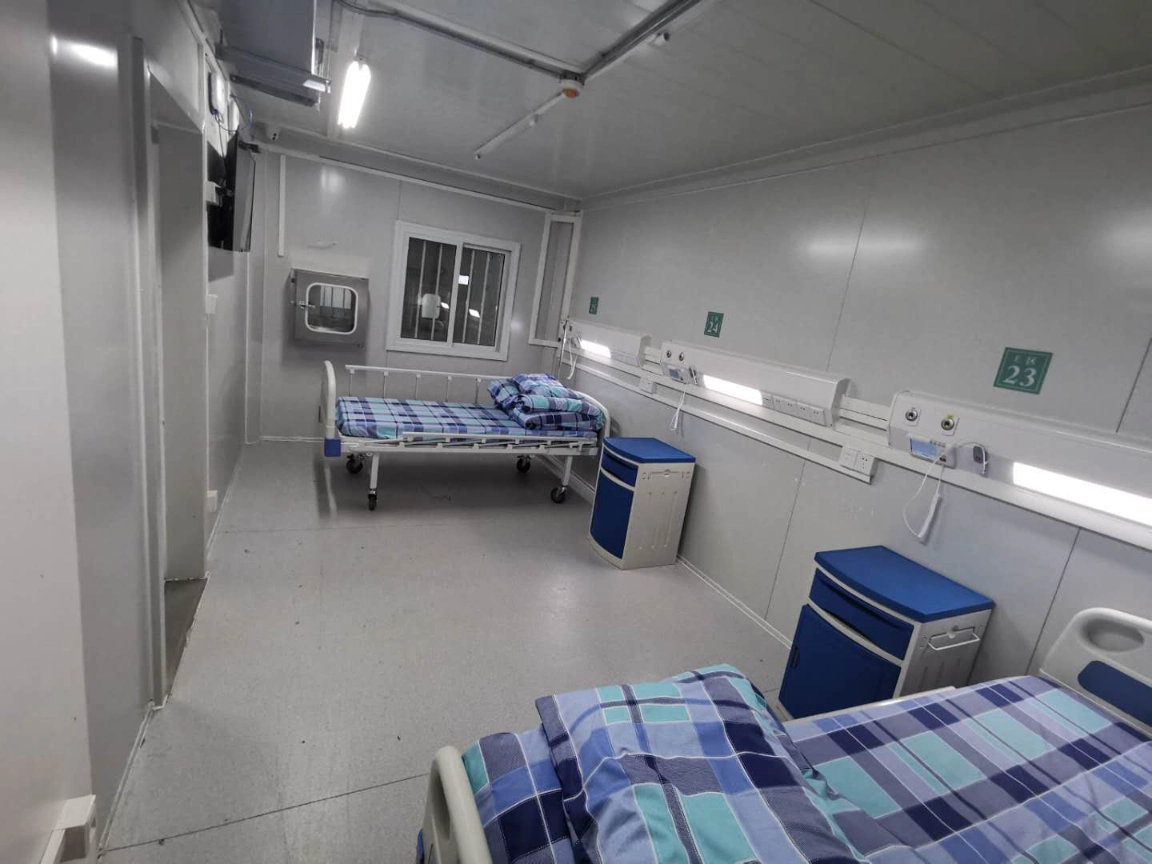
Enhanced Fire Safety And Infection Control Features
Blaze guard and germ control rank as key in medical areas. Modular metal buildings can blend in blaze-proof supplies, rated wall setups, and fitting exit paths.
Germ control gets handled via even inner faces, simple-to-wipe covers, and smart air systems. GS Housing tailors inner supplies to aid cleanliness steps in clinics, quarantine areas, and work labs, so sites keep neat and managed surroundings.
Why Are Flat Pack Container Houses Perfect For Healthcare Facility Expansion?
Flat pack container houses provide highly flexible modular units that are ideal for rapid healthcare deployment, emergency response facilities, and mobile medical infrastructure. Their compact transport design makes them suitable for urban hospitals, remote medical projects, and disaster-response healthcare expansion.
Easy Transport And On-Site Assembly For Remote Or Urban Hospitals
Hauling usual build supplies into packed city zones or far-off lands can prove tough and pricey. Flat pack container houses shape for smooth hauling, sliding into normal containers for worldwide trips.
After reaching the spot, these parts can join up swiftly with a compact crew and little upset. So they fit best for hospitals in cramped city spots, disaster fields, or outlying groups with slim groundwork.
Customizable Interior For Clinics, Wards, Labs And Support Areas
Care areas seldom match one plain size. Flat pack container houses can shape to act as outer clinics, stay wards, test labs, drug stores, or office hubs.
GS Housing provides inner tweak choices that include wall plans, care-level covers, air-heat setups, and power plans. This bend lets each part suit its exact medical role without extra hassle.
Cost Savings With Standardized Components And Reduced Labor
Uniform parts play a big part in expense watch. Flat pack container houses draw on repeated elements that cut supply loss and ease setup.
With slimmer field work needs and briefer build spans, whole project costs fall. For care givers juggling tight funds or broad spreads, these gains can render growth aims far more doable.
Can Modular Metal Buildings Improve Operational Efficiency In Healthcare?
Past build perks, modular metal buildings can aid stronger daily care tasks right away. Space planning and less upset hold central roles here.
Streamlined Workflow Layouts And Functional Module Integration
Efficient workflow design is essential in modular healthcare facilities, especially when integrating triage areas, treatment rooms, and support zones within limited space. Modular style lets planners sort areas in sound ways, setting care rooms, aid zones, and path flows where they fit best.
Parts can line up to back patient paths, worker moves, and gear entry. Thus, this task blending cuts jams and aids even daily runs.
Reduced Construction Disruption For Ongoing Hospital Services
Usual building often brings racket, grit, and barred ways—big woes for running hospitals. Modular metal buildings shrink these upsets by moving most work off-site.
Field joining proves quicker and tidier, so hospitals keep aiding patients with scant meddling. This holds special worth for add-ons inside live care grounds.
Better Energy Efficiency And Long-Term Maintenance Savings
New modular structures can fit with able padding, lights, and weather controls. These traits cut power use as time goes on.
Steel builds also need rarer upkeep than certain usual supplies. Across the structure’s years, this brings down run costs and yields steadier upkeep outlines.
What Real-World Healthcare Projects Have Used GS Housing Solutions?
Real-world modular healthcare deployments demonstrate the advantages of factory-built steel structures and flat pack container house systems. GS Housing’s modular and flat pack container answers have served in diverse care-linked works globally.
Case Examples Using Flat Pack Container Houses For Medical Use
GS Housing flat pack container house systems have been used for temporary clinics, testing centers, quarantine facilities, and emergency wards, check hubs, and crisis wards. Their fast rise makes them handy amid public health crises or quick room lacks.
Such works show how modular parts can shift from outline to work in a brief span, all while hitting medical norms.
Client Feedback On Performance, Delivery, And Quality
Users often point to ship speed, build strength, and fit power as main pluses. Plant-led making trims flaws, while plain schedules boost ties with care outlines and builders.
For numerous runners, the chance to grow or shift parts down the line adds enduring worth past the first work.
Comparative Outcomes: Modular Vs Traditional Expansion
Set next to each other, modular care growths usually display briefer spans, slimmer cost shifts, and fewer field snags. Standard builds might still match some works, but for swift, guided growth, modular metal buildings give a plain edge.
Partner with GS Housing: Your Specialist in Modular Healthcare Infrastructure
Picking the proper ally proves key when outlining care growth. Know-how, making power, and tweak choices all weigh in.
Partner With GS Housing For Tailored Flat Pack Container House Solutions
GS Housing merges steel build skill with modular and flat pack container house systems shaped for care tasks. Answers get fitted to work scale, role, and rule needs, so they suit both short and lasting sites.
Request Layout Planning, Project Consultation, or a Quotation for Your Modular Healthcare Project
From early-stage layout design to manufacturing and global delivery, GS Housing supports healthcare infrastructure projects with scalable modular solutions, GS Housing backs care users across each growth step. Plain talk, set prices, and useful shapes aid in turning knotty works into easy builds.
FAQ
Q1: Are modular metal buildings suitable for permanent healthcare facilities?
A: Yes. When designed and installed correctly, modular metal buildings can serve as permanent healthcare facilities with the same lifespan expectations as traditional structures.
Q2: How long does it take to install a flat pack container house for medical use?
A: Installation time depends on project size, but many flat pack container house units can be assembled and ready for fit-out within a few weeks after delivery.
Q3: Can modular healthcare buildings be expanded later?
A: Absolutely. One of the main advantages of modular construction is the ability to add or reconfigure units as healthcare needs change over time.
Share This Story, Choose Your Platform!
 Why Steel-Framed Container Houses Are Ideal for Construction Camps and Workforce Accommodation in the UK


